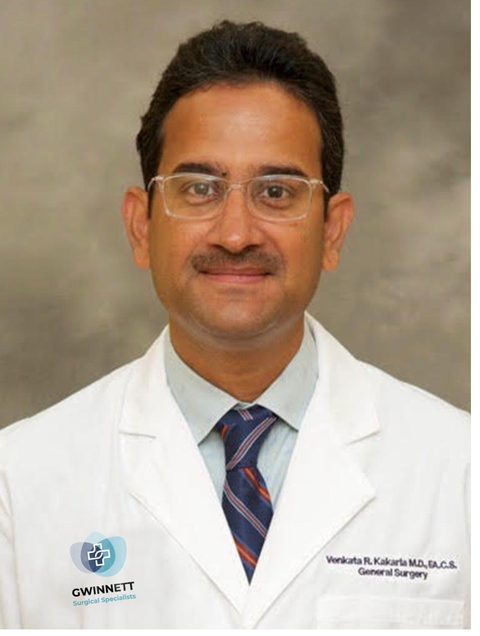
Dr. Kakarla performs robotic stomach and small bowel surgery for a range of benign and malignant conditions — from gastric cancer and GIST to small bowel obstruction and adhesions. Using the da Vinci robotic platform with intracorporeal reconstruction, the entire operation is performed through small incisions, avoiding the large abdominal incision traditionally required for upper GI surgery.
Because gastric conditions vary widely in their cause, location, and severity, the specific surgical plan is highly individualized. Dr. Kakarla discusses the approach, extent of surgery, and reconstruction tailored to your specific condition during your consultation.
Diagnosed with a Stomach or Small Bowel Condition? Here’s What Happens Next
Call us directly
No referral needed unless your insurance requires one. Same-day and next-day appointments available. Interpretation services available for all languages at our office and the hospital.
Thorough evaluation
Dr. Kakarla reviews your endoscopy, biopsy, and imaging results. If your workup was done outside the Northside system or you are seeking a second opinion, please bring your reports. He may perform his own EGD (upper endoscopy) if needed.
Individualized plan
Because no two gastric cases are alike, Dr. Kakarla develops a surgical plan specific to your condition. For cancer patients, treatment is coordinated closely with medical and radiation oncologists.
What we treat
Conditions Treated with Robotic Gastrectomy
Malignant Conditions
- Gastric cancer (stomach cancer) — robotic gastrectomy with oncologic lymph node dissection. The extent of surgery (partial vs. total gastrectomy) depends on the tumor’s size and location. Neoadjuvant chemotherapy may be recommended before surgery for locally advanced tumors, coordinated with your oncology team
- Gastrointestinal stromal tumor (GIST) — a distinct type of tumor arising from the stomach wall. Robotic wedge resection or partial gastrectomy depending on size and location. Some GISTs may be treated with targeted medication before or after surgery
Benign Conditions
- Benign gastric tumors and polyps — tumors or polyps that cannot be safely removed during endoscopy due to size, location, or pathology
- Gastric ulcer disease — ulcers that do not respond to medical treatment, or ulcers that have caused complications such as bleeding, perforation, or obstruction
- Gastric outlet obstruction — narrowing or blockage of the stomach outlet preventing food from passing into the small intestine. Can result from chronic ulcer scarring, tumors, or other causes
Small Bowel Conditions
- Small bowel obstruction from adhesions — scar tissue from prior abdominal surgeries can cause the small intestine to become kinked or blocked. Robotic lysis of adhesions (carefully dividing the scar tissue) can relieve the obstruction while minimizing new adhesion formation
- Small bowel tumors — benign or malignant tumors of the small intestine requiring partial resection
- Small bowel resection — removal of a diseased segment of the small intestine with intracorporeal anastomosis (reconnection entirely inside the abdomen) for various conditions including strictures, bleeding, or other pathology
When to seek urgent care
Call our office first if you are experiencing worsening symptoms, new difficulty eating, or increasing pain — we can often evaluate you quickly and guide you on next steps. If you have severe abdominal pain, vomiting blood or dark material, inability to keep any food or liquid down, or signs of perforation, go to the emergency room or call 911.
Before surgery
Pre-Surgical Evaluation
A thorough evaluation is essential for planning the right operation. Depending on your condition, the workup may include:
- Upper endoscopy (EGD) with biopsy — directly visualizes the stomach lining, identifies the location of the tumor or disease, and obtains tissue samples for pathology. Dr. Kakarla may perform this himself if needed
- CT scan of the chest, abdomen, and pelvis — for cancer staging: evaluates the primary tumor, lymph nodes, and checks for any spread
- Endoscopic ultrasound (EUS) — may be used in some cases to assess how deeply a tumor has grown into the stomach wall and evaluate nearby lymph nodes
- PET scan — may be recommended for certain cancers to evaluate for distant spread
- Blood work — including nutritional markers and standard preoperative labs
Coming for a second opinion? Please bring your endoscopy report, biopsy results, and imaging studies. If your workup was done outside the Northside Hospital system, we need the actual reports and images to review.
Oncology Coordination
For gastric cancer patients, Dr. Kakarla works closely with medical oncologists and radiation oncologists. Neoadjuvant chemotherapy may be recommended before surgery for locally advanced tumors to shrink the cancer and improve outcomes. This is coordinated as part of your individualized treatment plan. For patients with a family history of gastric cancer or hereditary cancer syndromes, genetic counseling may be recommended by the oncology team.
The procedure
Robotic Stomach & Small Bowel Surgery
The specific operation depends on your condition — the type, size, and location of the disease determines the extent of surgery and how the digestive tract is reconstructed. The surgical plan is discussed and decided together with you. Through 4–5 small incisions, Dr. Kakarla performs the entire operation robotically, including any reconstruction (intracorporeal anastomosis).
Types of Gastric Surgery
- Wedge resection — removal of a small section of the stomach wall containing the tumor. Used for smaller benign tumors, GISTs, and selected lesions. Preserves most of the stomach
- Partial (subtotal/distal) gastrectomy — removal of the lower portion of the stomach. The remaining stomach is reconnected to the small intestine. Used for cancers and disease in the lower stomach
- Total gastrectomy — removal of the entire stomach. The esophagus is connected directly to the small intestine. Reserved for cancers involving the upper or middle stomach, or diffuse disease requiring complete removal
Types of Small Bowel Surgery
- Lysis of adhesions — careful robotic division of scar tissue causing small bowel obstruction. The robotic platform’s 3D visualization and wristed instruments allow precise dissection while minimizing injury to the bowel
- Partial small bowel resection — removal of a diseased segment of the small intestine with intracorporeal anastomosis (reconnection entirely inside the abdomen)
After removing the diseased portion, the digestive tract is reconstructed to allow food to pass from the esophagus or remaining stomach into the small intestine. The specific reconstruction technique is selected based on the extent of resection and your anatomy. The specimen is removed through one of the small port-site incisions.
What Surgery May and May Not Fix
Surgery is intended to remove the diseased portion of the stomach or small bowel and treat the underlying condition. For cancer, it provides the best chance of cure when combined with appropriate medical therapy. However, removing part or all of the stomach changes how you eat and digest food. Small bowel surgery may temporarily affect bowel function and nutrient absorption. Dr. Kakarla discusses realistic expectations — including dietary changes and long-term nutritional considerations — during your consultation. Every patient’s experience is different depending on the extent of surgery.
Patients who present with perforation, uncontrolled bleeding, or complete obstruction may need a more urgent surgical plan than the elective pathway described here.
The robotic advantage
Why Robotic GI Surgery?
The upper abdomen and small bowel mesentery are technically demanding surgical fields. Robotic surgery offers advantages in these challenging spaces:
- 3D magnified visualization — critical for identifying blood vessels, lymph nodes, and tumor margins in the upper abdomen
- Wristed instruments — enable precise dissection and suturing for reconstruction in a confined space
- Intracorporeal reconstruction — the digestive tract is reconnected entirely inside the abdomen, avoiding a large incision. This may support faster recovery and lower wound complication rates
- Less tissue disruption — smaller incisions mean less pain, less blood loss, and earlier mobilization compared to traditional open gastrectomy
- Precise lymph node dissection — for cancer cases, the robotic platform’s visualization and instrument control may support thorough oncologic dissection
- Tremor filtration — filters natural hand tremor for sub-millimeter precision near the spleen, pancreas, and major vessels
Not all stomach and small bowel surgeries are performed robotically. The best approach depends on the size and location of the disease, prior surgical history, and patient factors. Dr. Kakarla selects robotic, laparoscopic, or open technique based on what is safest and most effective for your specific case.
Your surgeon
Why Dr. Kakarla?
- 2,500+ robotic procedures — among the highest volume in the region, well beyond the learning curve where outcomes plateau
- Surgical experience across three continents — this international breadth has refined Dr. Kakarla’s approach, allowing him to draw on a wider range of techniques
- Intracorporeal reconstruction — the entire operation including reconstruction is performed through small incisions, a more advanced technique that not all surgeons offer for gastric surgery
- Strong oncology team support — close coordination with medical oncologists and radiation oncologists for comprehensive cancer care
- Fellowship-trained in minimally invasive and robotic surgery at the University of Illinois at Chicago
- Board certified by the American Board of Surgery
- Port placement for chemotherapy — Dr. Kakarla places chemo ports when needed, streamlining your cancer treatment
Your surgical location
Where Your Surgery Happens
All robotic stomach and small bowel surgeries are performed at Northside Hospital Gwinnett with a hospital stay of 3–5 days (may be shorter for less extensive procedures such as lysis of adhesions or small bowel resection).
Surgery & hospital stay
Northside Hospital Gwinnett
1000 Medical Center Blvd
Lawrenceville, GA 30046
Consultation & follow-up
Gwinnett Robotic & Hernia Surgery
631 Professional Drive, Suite 300
Lawrenceville, GA 30046
Phone: (770) 962-9977
Ready to schedule a consultation? Same-day and next-day appointments available.
Before your procedure
Preparing for Surgery
You will receive a phone call from the hospital 1–2 days before your procedure with your specific arrival time and final instructions.
Optimizing Your Health
- Stop smoking — at least 2–4 weeks before surgery. Smoking impairs wound healing and increases complications
- Nutritional optimization — many patients with gastric conditions have lost weight or have poor nutritional intake. A high-protein diet before surgery supports better healing. Dr. Kakarla may recommend nutritional supplementation
- Stay active — patients who are physically active before surgery recover faster
Medications
- Blood thinners and antiplatelet medications: If you take any blood-thinning or antiplatelet medication, you will receive specific stop and restart instructions from our office. Common medications and typical guidance:
- Warfarin (Coumadin) — typically stopped 5 days before surgery; INR checked the day before. Bridging with injectable blood thinner may be needed for high-risk patients — confirm the plan with your cardiologist
- Eliquis (apixaban), Xarelto (rivaroxaban), Pradaxa (dabigatran), Savaysa — typically stopped 1–3 days before surgery depending on kidney function and bleeding risk. No bridging needed
- Plavix (clopidogrel) — stopped 5–7 days before; Brilinta (ticagrelor) — stopped 3–5 days before; Effient (prasugrel) — stopped 7 days before
- Aspirin — may be continued or stopped depending on why you take it. If prescribed for a prior heart attack, stent, or stroke, it may be continued. If taken for general prevention only, it is usually stopped 5–7 days before
- GLP-1 medications (Ozempic, Wegovy, Mounjaro, etc.): Inform our office well before surgery. You may need special fasting and medication instructions based on current anesthesia guidance and facility protocol
- Diabetes medications: Speak with your endocrinologist or internist about dosing adjustments for surgery day
- No need to shave the surgical area
The Night Before
- No solid food after midnight. Clear liquids may be permitted up to 2 hours before — the hospital will confirm
- No bowel preparation is typically required for gastric surgery
What to Bring
Bring with you
- Photo ID and insurance card
- List of current medications
- Overnight essentials (3–5 night stay)
- Phone and charger
- Loose, comfortable clothing for discharge
Plan for
- Someone to drive you home at discharge
- Help at home for the first 1–2 weeks
- 2–3 weeks off work (desk); 4–6 weeks (physical labor)
- Work paperwork — let the office know if you need FMLA or disability forms
The day of your procedure
What Happens on Surgery Day
After your surgery
Recovery and Diet After Gastrectomy
What Is Normal After Surgery
- Eating less at a time — your stomach is smaller (or absent after total gastrectomy). Small, frequent meals are essential
- Feeling full quickly — this improves over time as the body adapts, but some patients permanently eat smaller meals
- Temporary weight loss — common during the diet progression phase. Focus on protein and calorie intake
- Fatigue — expected for 2–4 weeks. This is major surgery and your body needs energy to heal
- Dumping syndrome — nausea, cramping, diarrhea, or lightheadedness after eating, especially sugary or high-fat foods. Occurs when food passes too quickly into the small intestine. Usually manageable with dietary adjustments
- Changes in bowel habits — looser or more frequent stools may occur as digestion adapts
Diet Progression
Diet after gastrectomy advances gradually. The exact timeline depends on the extent of your surgery and how your recovery progresses:
Activity Timeline
When to call after surgery
Call our office first for: fever over 101.5°F · worsening abdominal pain · persistent vomiting · inability to keep any liquids down · increasing redness or drainage from incisions · signs of dumping syndrome that are not improving. We can often evaluate you quickly and advise on next steps.
Call 911 for: severe abdominal pain · vomiting blood or dark material · chest pain or difficulty breathing · fainting.
For routine questions, call (770) 962-9977 during office hours.
Common Activity Questions
- Driving — when off narcotic pain medication and comfortable (typically week 2–3)
- Desk work — most return within 2–3 weeks
- Physical labor — 4–6 weeks with gradual return
- Lifting — nothing over 10 lbs for 4 weeks
- Exercise — walking from day 1 in hospital; gym/weights after 4 weeks
- Sexual activity — when comfortable and off prescription pain medication
- Showering — when incisions are sealed; no baths/pools until fully healed
Enhanced Recovery (ERAS) Protocol
Dr. Kakarla uses an enhanced recovery protocol: multimodal non-narcotic pain management, early mobilization, and careful diet advancement. This is still major abdominal surgery — fatigue, soreness, and dietary adjustment are expected and normal, but the ERAS approach helps most patients recover more comfortably with less opioid use.
Understanding the risks
Possible Risks and Complications
Gastrectomy is a well-established operation, but as with any major abdominal surgery, complications can occur. The specific risks depend on the extent of surgery:
- Anastomotic leak — the reconnection site may develop a leak, which can cause infection and may require additional treatment. Risk varies with the type of reconstruction
- Bleeding — given the rich blood supply of the upper abdomen
- Infection — surgical site or intra-abdominal infection
- Dumping syndrome — described above; usually manageable with dietary changes
- Nutritional deficiencies — especially after total gastrectomy. Vitamin B12, iron, calcium, and other nutrient absorption may be affected long-term. Ongoing monitoring and supplementation are part of your follow-up
- Delayed gastric emptying — the stomach or reconstruction may be slow to resume normal function initially
- Stricture — narrowing at the reconstruction site, which may require endoscopic dilation
- Injury to nearby organs (spleen, pancreas, liver) — uncommon
- Blood clots — early walking and compression devices reduce risk
- Conversion to open surgery — uncommon with robotic technique but may be necessary for patient safety
- Anesthesia risks — discussed with your anesthesiologist
Dr. Kakarla discusses your individual risk profile during consultation. Your specific risks, benefits, and alternatives are reviewed before you consent to surgery.
This information is general. Every patient’s situation is different, and your own risks, benefits, and recovery plan will be discussed with you in person before surgery.
Practical details
GI Surgery Cost and Insurance
- Medicare and Medicaid — typically covered, subject to your plan rules and patient responsibility (deductible, copay, coinsurance)
- Commercial insurance — Aetna, Anthem/BCBS, Cigna, Humana, UnitedHealthcare, Tricare, and most major plans
- We verify your benefits before scheduling — you know your out-of-pocket cost upfront
- No referral needed unless your specific insurance plan requires one
Common questions
Frequently Asked Questions
Can I live normally without part or all of my stomach?
Yes. After partial gastrectomy, most patients adapt well and eat a relatively normal diet with smaller portions. After total gastrectomy, the adjustment is more significant — you will eat smaller, more frequent meals permanently and need lifelong vitamin B12 supplementation — but most patients achieve a good quality of life.
How will my eating change after surgery?
You will need to eat smaller, more frequent meals — typically 5–6 small meals per day instead of 3 large ones. Diet progresses from liquids to pureed to soft to regular over several weeks. Most patients find a comfortable eating pattern within 2–3 months. Sugary and very fatty foods may need to be limited to avoid dumping syndrome.
What is dumping syndrome?
Dumping syndrome occurs when food — especially sugary or high-fat food — passes too quickly from the stomach (or directly from the esophagus after total gastrectomy) into the small intestine. It can cause nausea, cramping, diarrhea, sweating, or lightheadedness after meals. It is usually manageable by eating slowly, avoiding trigger foods, and choosing smaller, protein-rich meals.
What if the pathology shows cancer? What happens next?
The pathology report determines the final stage of the cancer — how deeply the tumor grew, whether lymph nodes were involved, and whether the margins were clear. Dr. Kakarla reviews the results with you and coordinates with your medical oncologist to determine whether additional treatment such as chemotherapy is recommended.
Will I need chemotherapy?
This depends on the final pathology. Some patients with early-stage cancer do not need chemotherapy. Others with more advanced disease may benefit from chemotherapy before surgery (neoadjuvant), after surgery (adjuvant), or both. Dr. Kakarla coordinates closely with the oncology team to develop your treatment plan.
Will I need nutritional supplements after surgery?
After partial gastrectomy, most patients do not need long-term supplements beyond a healthy diet. After total gastrectomy, lifelong vitamin B12 injections or supplementation are needed because the stomach produces the factor required for B12 absorption. Iron, calcium, and other nutrients may also need monitoring. Your care team provides specific guidance.
What happens at my first appointment?
Dr. Kakarla reviews your endoscopy report, biopsy results, and imaging. He examines you, explains your condition, and discusses surgical options. For cancer patients, he outlines the treatment plan including any needed chemotherapy before surgery. Every case is individualized. The visit typically takes 30–45 minutes. You are welcome to bring a family member.
Will I be asleep during surgery?
Yes. The procedure is performed under general anesthesia. A board-certified anesthesiologist monitors you throughout.
How much pain should I expect?
The enhanced recovery protocol emphasizes non-narcotic pain management. Most patients describe moderate soreness that improves daily. This is still major abdominal surgery, and some discomfort is expected, but the robotic approach with small incisions helps reduce incisional pain compared to open gastrectomy.
Do I need to shave before surgery?
No. The surgical team handles any necessary hair removal.
Will I have stitches to remove?
Incisions are typically closed with Dermabond (medical skin adhesive) or absorbable sutures depending on the case.
When can I shower after surgery?
You can shower when incisions are sealed and you are comfortable. Your surgical team provides specific guidance before discharge. No baths or pools until fully healed.
Can I get a second opinion?
Absolutely. If you have been diagnosed elsewhere, bring your endoscopy report, biopsy results, and imaging studies. Dr. Kakarla reviews everything and provides an independent assessment.
Do I need a referral or to see my PCP first?
No. You can call our office directly. You do not need to see your primary care doctor first — unless your specific insurance plan requires a referral.
Questions to bring to your consultation
- How much of my stomach will need to be removed?
- Is my condition benign or malignant?
- Will I need chemotherapy before or after surgery?
- How will my eating change after surgery?
- Will I need long-term nutritional supplements?
- How long will I be in the hospital?
- When can I return to my specific job?
- What follow-up and surveillance will I need?